
Understanding the Roots of Canine Aggression Training
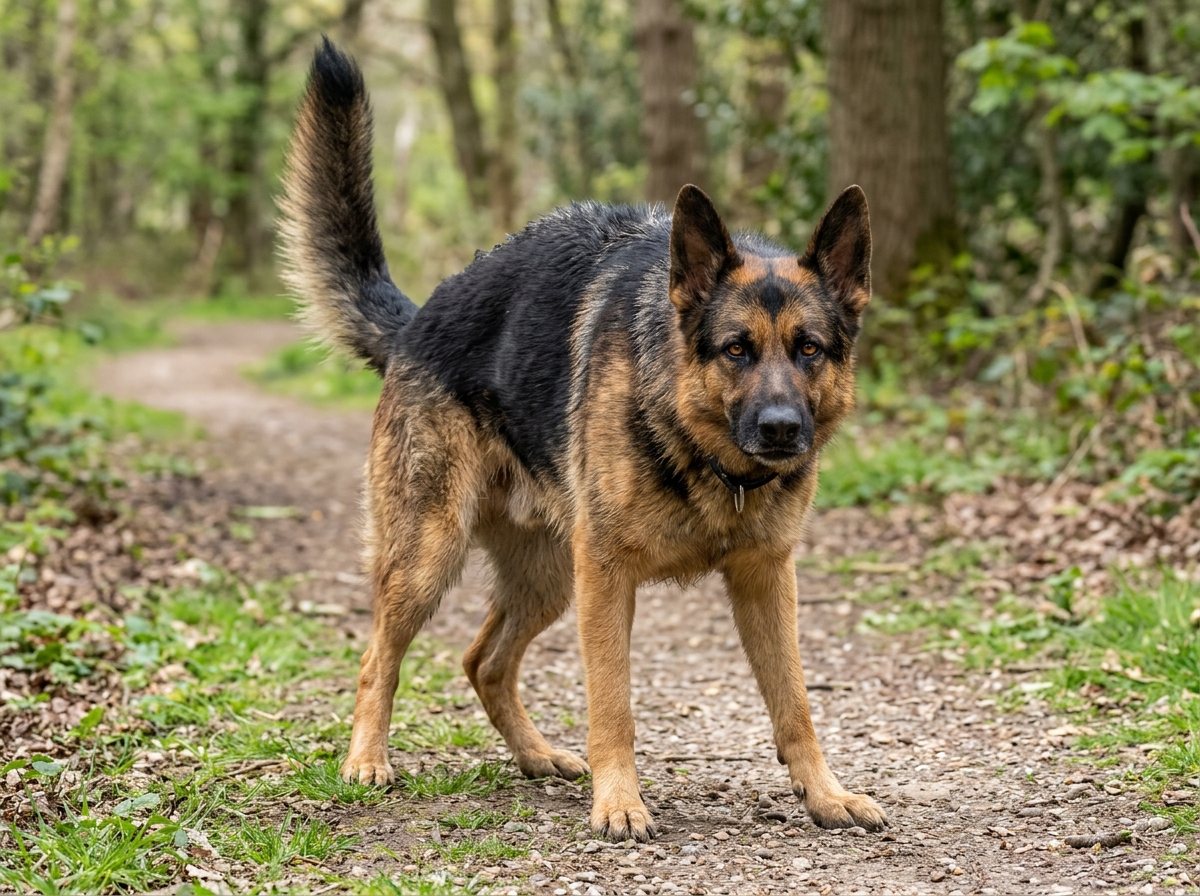
When we talk about canine aggression training, we have to look past the bark and the bite to the “why.” Aggression is rarely a random personality trait; it is a functional behavior. In the dog’s mind, growling or lunging serves a purpose—usually to create distance between themselves and something they perceive as a threat.
Common roots of aggression include:
- Territorial Triggers: The dog feels the need to defend their home or yard from perceived intruders.
- Protective Instincts: The dog “guards” their owner, often because they don’t trust the owner to handle a situation.
- Possessive Behavior: This is often seen as resource guarding, where a dog becomes aggressive over food, toys, or even a favorite sleeping spot.
- Fear-Based Aggression: The dog feels unsafe and uses aggression as a defensive “best offense.”
- Pain-Induced: A dog with undiagnosed hip dysplasia or dental pain may lash out to prevent being touched.
Understanding these dog behavioral issues 101 is the first step toward a solution. We aren’t just looking to stop a symptom; we are looking to reshape the dog’s entire outlook through proactive, handler-led guidance.
Identifying Triggers and Warning Signs
Most people think aggression happens “out of nowhere,” but dogs almost always provide a sequence of warning signs before a bite occurs. Learning to read these subtle cues is vital for any owner involved in canine aggression training.
Watch for these early indicators:
- Vocalizations: Low-throated growls or huffing barks.
- Rigid Stance: The dog becomes a statue, often leaning forward.
- Lip Licking and Yawning: These are signs of high stress, not hunger or tiredness.
- Raised Hackles: The hair along the spine (piloerection) stands up due to an adrenaline surge.
- The “Hard Stare”: A fixed, unblinking gaze directed at a person or another animal.
By catching these signs early, especially in cases of food guarding, we can intervene with movement and body language before the dog reaches a breaking point.
Reactivity vs. True Aggression
It is common for owners to mislabel their dogs. There is a significant difference between a dog that is “reactive” and one that is truly “aggressive.”
| Feature | Reactivity | True Aggression |
|---|---|---|
| Primary Goal | Create distance or express frustration | Inflict a bite or drive away a threat |
| Body Language | Explosive, chaotic, often “noisy” | Focused, quiet, rigid, and intense |
| Triggers | Leashes, fences, or seeing other dogs | Specific targets (strangers, family, or animals) |
| Intent | Emotional overreaction | Intent to harm or dominate |
Distinguishing between these two is a core part of beyond-the-bite expert strategies for canine aggression training. While both require structured training, the management and intensity of the drills will vary based on the dog’s intent.
Immediate Safety and Management Strategies
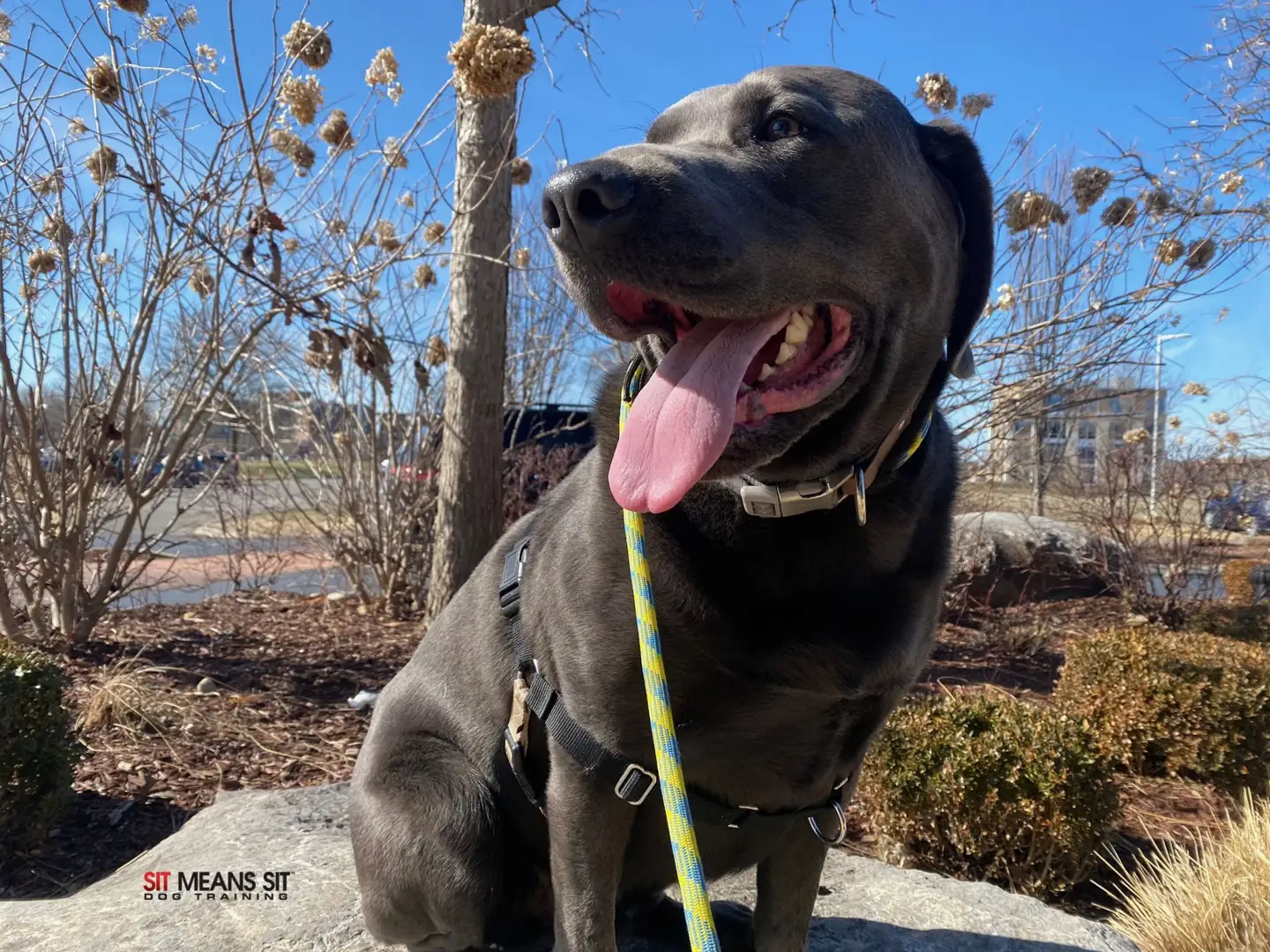
Before we start the active work of habit reshaping, we must prioritize safety. This is non-negotiable. If a dog is allowed to continue practicing aggressive behaviors, those neural pathways get stronger. Every time a dog successfully scares someone away by barking, they are “rewarded” by the feeling of safety that follows.
Our first step is environmental modification. This means:
- Avoiding Triggers: If your dog is aggressive toward guests, they should be securely confined in another room or a crate before the guest enters.
- Physical Health Optimization: We always recommend a full vet health check. If a dog is in pain, no amount of training will fix the root cause.
- Settle Commands: Teaching a dog to settle down on a specific spot helps lower their overall arousal levels.
- Managing Noise: For dogs that react to every sound outside, managing excessive barking through environmental control is essential.
Essential Tools for Management
We believe in using the right tools for the job—tools that provide clear, physical communication. We do not use harnesses, as they often encourage pulling and give the handler less control over the dog’s head and focus.
For managing aggressive dogs, we utilize:
- Flat Collars: Standard, high-quality collars for everyday wear.
- Sturdy Leashes: Leather or heavy-duty nylon leashes that won’t snap under pressure.
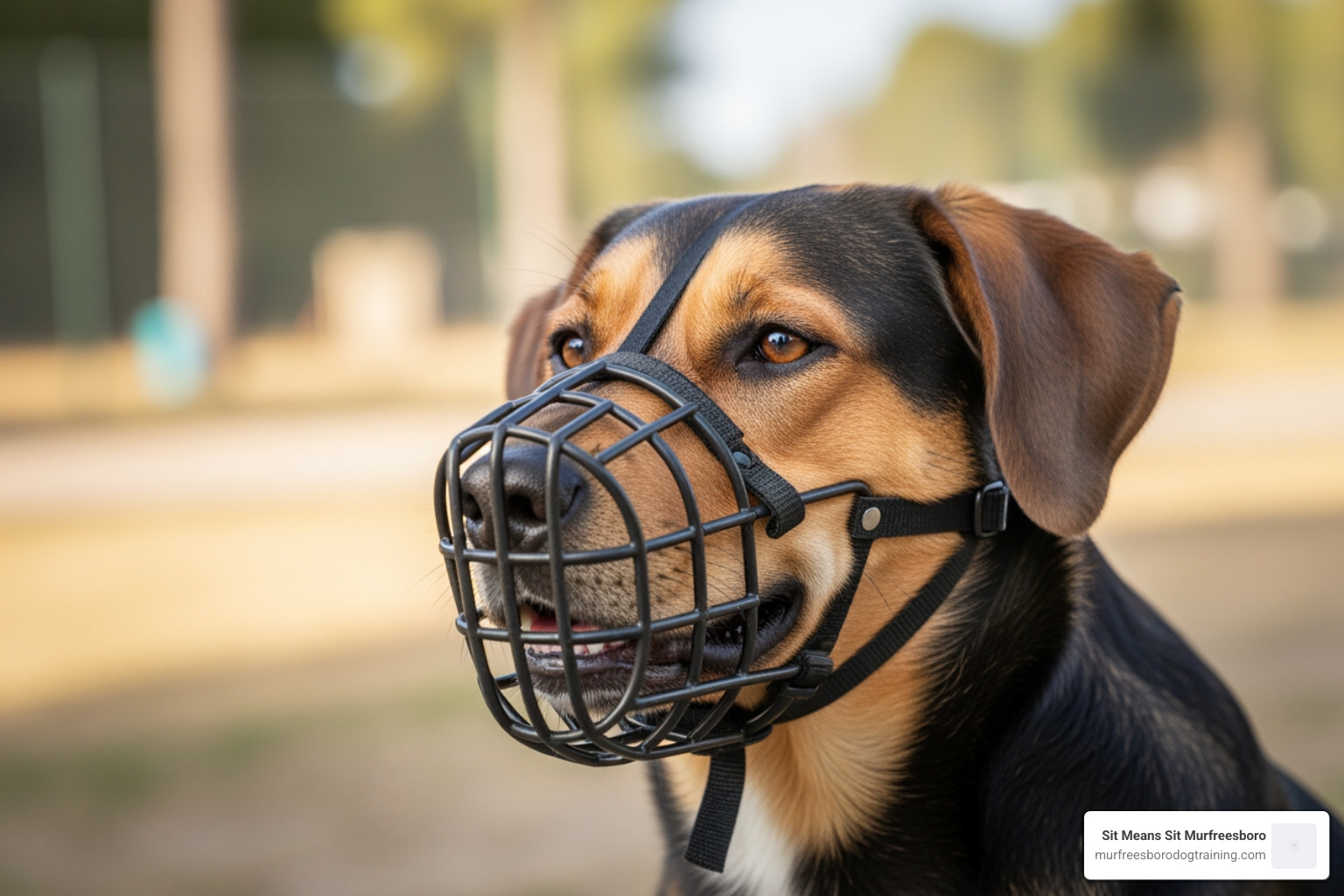
- Basket Muzzles: These allow the dog to pant, drink, and breathe freely while ensuring they cannot land a bite. They are an excellent “insurance policy” during the early stages of training.
- Secure Confinement: Using crates or sturdy gates to ensure happy paws and a happy home by preventing unwanted interactions.
Professional Methods for Canine Aggression Training
At Murfreesboro Dog Training, we don’t rely on “tricks” or distractions. We focus on proactive, handler-led guidance. This means the human learns to be a clear, confident leader who communicates through movement and body language. When a dog knows exactly what is expected of them, their anxiety drops, and the need for aggression often vanishes.
Our approach focuses on reshaping habits. We don’t just want the dog to “stop biting”; we want to change their default state from one of hyper-vigilance to one of calm observation. This is what local dog owners should expect when they work with us.
Proactive Guidance and Movement
Communication is the heart of canine aggression training. Dogs are masters of reading body language, and they often react to our own tension. We teach owners how to use their physical presence to guide the dog.
By establishing consistent rules and clear boundaries, we build the dog’s confidence. They no longer feel they have to make decisions about who is a threat and who isn’t—they defer to the handler. This leads to real-world reliability, whether you are at home in Murfreesboro or walking through a crowded park in Smyrna. This level of unleashing potential is what allows a dog to rejoin the family in public settings.
Remote Touch as a Communication Tool in Canine Aggression Training
One of our most effective tools for proofing behaviors is “remote touch”—the use of high-quality e-collars. We do not use these for punishment; we use them as a subtle communication tool, much like a tap on the shoulder.
- Subtle Communication: The e-collar allows us to give the dog a “nudge” at a distance, reminding them to stay focused on the handler.
- Distance Proofing: This is essential for off-leash reliability. You need to know your dog will listen even if they are 30 feet away and see a squirrel.
- 4-Month Start: We can begin collar conditioning as early as 4 months old.
- Advanced Obedience: By 5-6 months, dogs in our program are often working on advanced off-leash skills, even around significant distractions.
This method provides a “safety net” that allows the dog more freedom while giving the owner total peace of mind.
Rapid Results: Board and Train vs. Day Training Programs
We understand that living with an aggressive dog is stressful. You want results, and you want them now. Our programs are designed for speed and reliability, drawing on our trainers’ backgrounds in military and Search and Rescue (SAR) K9 handling.
We offer two primary paths for aggressive dog training:
- Day Train Program (Very Fast): This is our fastest-moving option. Your dog spends the day with us for intensive drills and returns home to you in the evening.
- 5-Day Board and Train (Fast): Your dog stays with us for five days of immersive training. This allows us to completely reset their habits in a controlled environment.
Proactive clients typically see major changes within Week 1. By removing the dog from their usual environment and placing them with expert handlers, we can break old patterns of aggression and replace them with new, calm habits. Our advanced obedience packages typically range from $2,000 to $4,000, which includes all necessary equipment and lifetime support to ensure those results stick for the long haul.
Frequently Asked Questions about Canine Aggression
Can dog aggression be fully cured?
In professional training, we prefer the term “managed” or “reshaped.” While we can significantly reduce the frequency and intensity of aggressive outbursts—often to the point where they seem to disappear—a dog’s history is part of who they are. Success requires lifelong management and consistent guidance. However, the vast majority of our clients find that with the right habits, their dogs live perfectly normal, happy lives without incident.
When should I seek professional help for aggression?
You should seek help at the very first sign of trouble. If your dog has a bite history, is escalating in their intensity, or if you feel unsafe in your own home, it is time for a professional evaluation. Waiting only allows the behavior to become more ingrained and dangerous.
How does a dog’s history influence treatment?
Every dog is an individual. A rescue dog with a history of trauma may require more patience and confidence-building than a dog whose aggression is purely genetic or territorial. Age also plays a role; while you can teach an old dog new tricks, it is much easier to reshape the habits of a younger dog before they have spent years practicing aggressive responses.
Conclusion
At Murfreesboro Dog Training, we believe that every dog deserves a chance to be a calm, reliable companion. Whether you are in Murfreesboro, Smyrna, La Vergne, or anywhere in Rutherford County, our mission is to provide you with the tools and confidence you need to lead your dog effectively.
We don’t just train dogs; we empower owners. Through proactive leadership, clear communication, and our proven handler-led methods, we can help you move “beyond the bite” and into a life of real-world reliability.
Ready to transform your dog’s behavior? Contact our expert trainers today to schedule your evaluation and take the first step toward a safer, calmer home.