
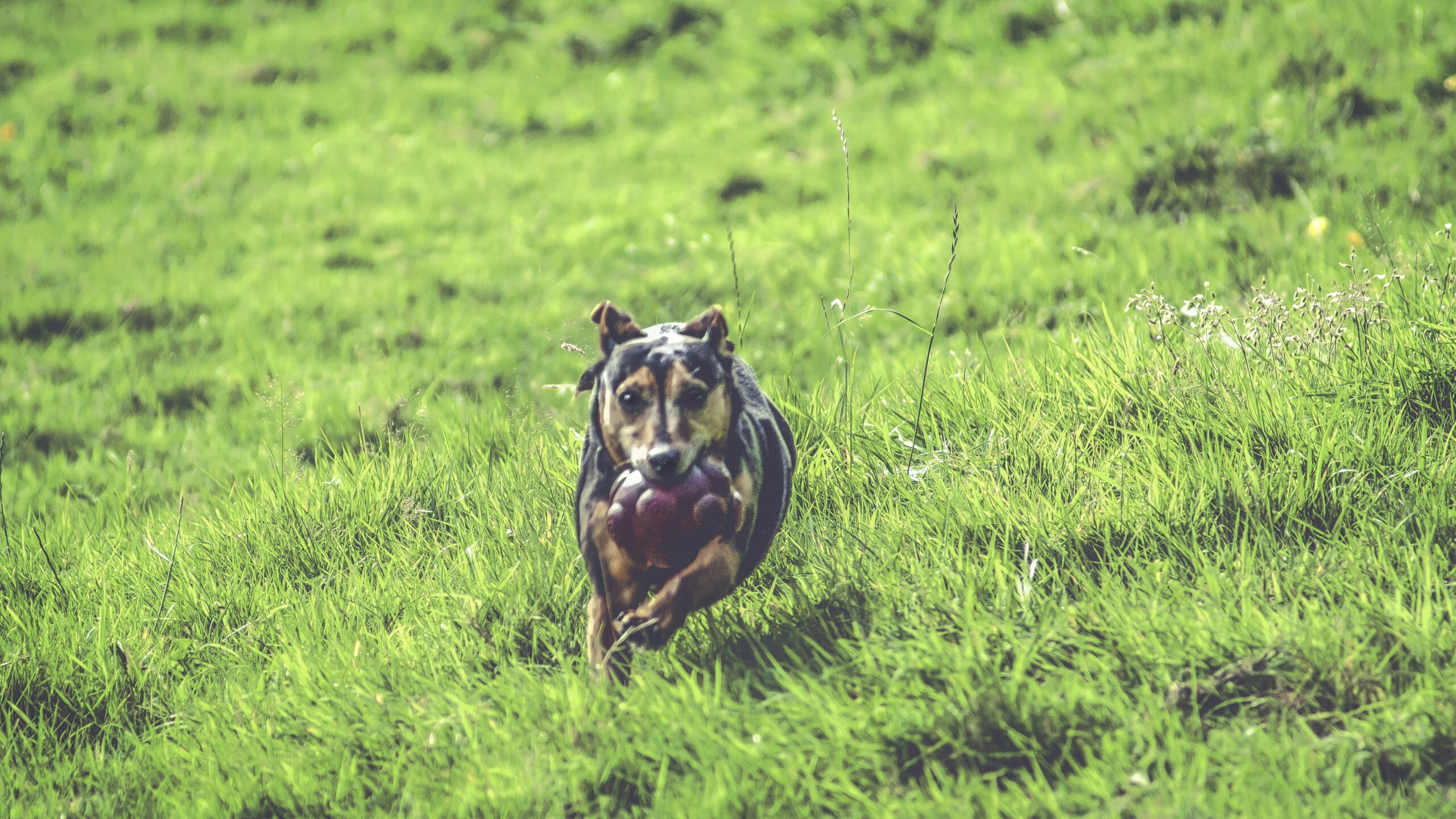
One of the most common goals people have when they start looking into dog training in Murfreesboro TN is simple: they want to be able to trust their dog off leash. Whether it’s in a park, on a trail, or just in everyday life, that level of freedom represents something bigger than convenience. It represents confidence. It represents safety. And it represents a kind of connection where the dog chooses to stay engaged rather than drifting away.
But this is also where many training systems start to show their limitations. Off-leash reliability is often approached as a higher-level skill, something that comes after a dog has already learned commands like come, sit, and heel. The assumption is that if those commands are strong enough, the dog will naturally carry them into off-leash situations. In practice, that rarely holds up the way people expect.
What tends to happen instead is that the dog performs well in controlled environments but becomes unpredictable as soon as distance and distraction are introduced. A recall that felt solid on a leash starts to feel optional. The dog begins to weigh their options, and in that moment, the environment often wins. It’s not because the dog is stubborn or trying to be difficult. It’s because the foundation wasn’t built in a way that supports true reliability at a distance.
Off-leash work isn’t really about commands. It’s about connection.
When a dog is off leash, the physical line between the dog and the handler disappears. There’s nothing preventing the dog from moving away, nothing forcing them to stay close. The only thing that remains is the relationship and the clarity of communication that has been built over time. If that communication is strong, the dog stays engaged. If it isn’t, the dog begins to disconnect.
This is why building off-leash reliability starts long before the leash ever comes off. It starts in how the dog learns to follow movement, how they respond to guidance, and how consistently they stay connected to the handler in everyday situations. If those pieces are in place, the transition to off-leash work feels natural. If they aren’t, taking the leash off simply exposes the gaps.
A dog that is ready for off-leash work doesn’t suddenly become different when the leash is removed. They carry the same awareness, the same patterns, and the same expectations with them. That consistency is what creates reliability. It’s not about controlling the dog at a distance. It’s about building a system where the dog doesn’t feel the need to disconnect in the first place.
This is where many reward-based systems begin to fall short. When behavior is tied to incentives, the dog often learns to respond when the reward is present or expected. But off leash, the environment itself becomes the reward. Movement, smells, other dogs, and open space all compete for the dog’s attention. If the training is built around motivation, the dog begins to compare those options. And in many cases, the environment becomes more valuable than the reward.
When training is built around guidance and clarity instead, that comparison never really takes place. The dog isn’t deciding whether to respond. They are following a pattern that has already been established. They’ve learned to stay oriented to the handler, to adjust their position based on movement, and to maintain connection even as the environment changes.
This is why movement becomes such an important part of off-leash reliability. A dog that understands how to follow the handler’s movement doesn’t need constant verbal input. They are already paying attention. They are already engaged. When the handler changes direction, the dog naturally adjusts. When the handler slows down or stops, the dog responds accordingly. That flow creates a kind of silent communication that holds up even at a distance.
The sit anchor also plays a role here, even if it isn’t always obvious at first. A dog that understands how to hold position until given new direction carries that stability into off-leash situations. When something catches their attention, they are less likely to react impulsively because they have a clear default behavior. That stability becomes a kind of reset point, something the dog can return to rather than spiraling into distraction.
What often surprises people is how much off-leash reliability is shaped by structured environments before the leash ever comes off. Group training settings, in particular, create opportunities for dogs to practice staying connected while distractions are present. These environments introduce movement, other dogs, and changing dynamics in a controlled way, allowing the dog to build consistency without being overwhelmed. Over time, those experiences begin to carry over into less controlled settings. https://talkingtailstn.com/why-your-dog-needs-group-classes-to-master-distractions/
For dogs that struggle with reactivity or overexcitement, this process becomes even more important. Off-leash freedom doesn’t come from suppressing those reactions. It comes from reshaping them. When a dog learns to orient back to the handler instead of reacting to a trigger, the entire dynamic shifts. The dog isn’t being held back from something. They are choosing a different response because that response has been built through repetition and clarity.
If you’ve looked into common behavior patterns in dogs, you’ve likely noticed how quickly habits form and how persistent they can become. Those habits don’t disappear just because the leash is removed. In fact, they often become more pronounced. That’s why off-leash reliability depends so heavily on what has been built beforehand. The leash doesn’t create reliability. It simply reveals whether it’s there.
For younger dogs, especially those going through puppy training in Murfreesboro TN, this is where early structure makes a lasting difference. A puppy that learns to stay connected, to follow movement, and to respond to guidance is already developing the skills needed for off-leash work. By the time the leash comes off, those patterns are familiar. The dog isn’t learning something new. They’re continuing something that has been reinforced from the beginning.
What this all comes back to is trust, but not in the way people usually think about it. It’s not about hoping the dog will listen or believing that they might come back when called. It’s about knowing that the dog understands what to do and has practiced it enough that it has become second nature. That kind of trust doesn’t come from a single command or a quick fix. It comes from a consistent system that builds over time.
For anyone working through dog training in Murfreesboro TN, this is often the point where expectations start to shift. Off-leash reliability stops feeling like a distant goal and starts to feel like a natural extension of the training process. When the foundation is clear, the transition is smooth. And when the transition is smooth, the result is something that holds up in real life, not just in training sessions.