
Group classes for dogs are structured training sessions where multiple dogs and their handlers work together in the same environment — building focus, obedience, and real-world reliability around distractions.
Here’s a quick overview of what to expect:
| What | Details |
|---|---|
| Who it’s for | Puppies (4+ months), adult dogs, and owners who want real-world results |
| What dogs learn | Focus, leash manners, sit, down, stay, recall, and impulse control |
| Key benefit | Training around real distractions — other dogs, movement, noise |
| Typical format | Weekly sessions, 45–60 minutes, small to mid-size groups |
| When to start | As early as 4 months for collar introduction; advanced work from 5–6 months |
| Where in Murfreesboro | Local group sessions in Rutherford County and surrounding areas |
Most dogs that struggle in public — pulling on leash, ignoring commands, losing focus around other dogs — aren’t disobedient. They’ve just never been trained where it counts: in the real world, around real distractions.
That’s exactly where group training delivers results that solo practice at home simply can’t replicate. When a dog can hold a command with other dogs nearby, with movement happening around them, and with noise pulling at their attention — that’s when training becomes truly reliable.
The Benefits of group classes for dogs in Real-World Settings
Many owners find that their dog is a “star pupil” in the living room but becomes completely unreachable the moment they step onto a sidewalk in Murfreesboro. This happens because the dog hasn’t learned to filter out environmental stimuli. Group classes for dogs provide the necessary bridge between private practice and real-world reliability.
In a group setting, we focus heavily on movement and body language. Dogs are naturally attuned to motion; by training in a group, your dog learns that your movement and cues are more important than the dog walking twenty feet away. We use these sessions to reshape habits, moving away from erratic “autopilot” behavior toward a state of calm, handler-focused attention.
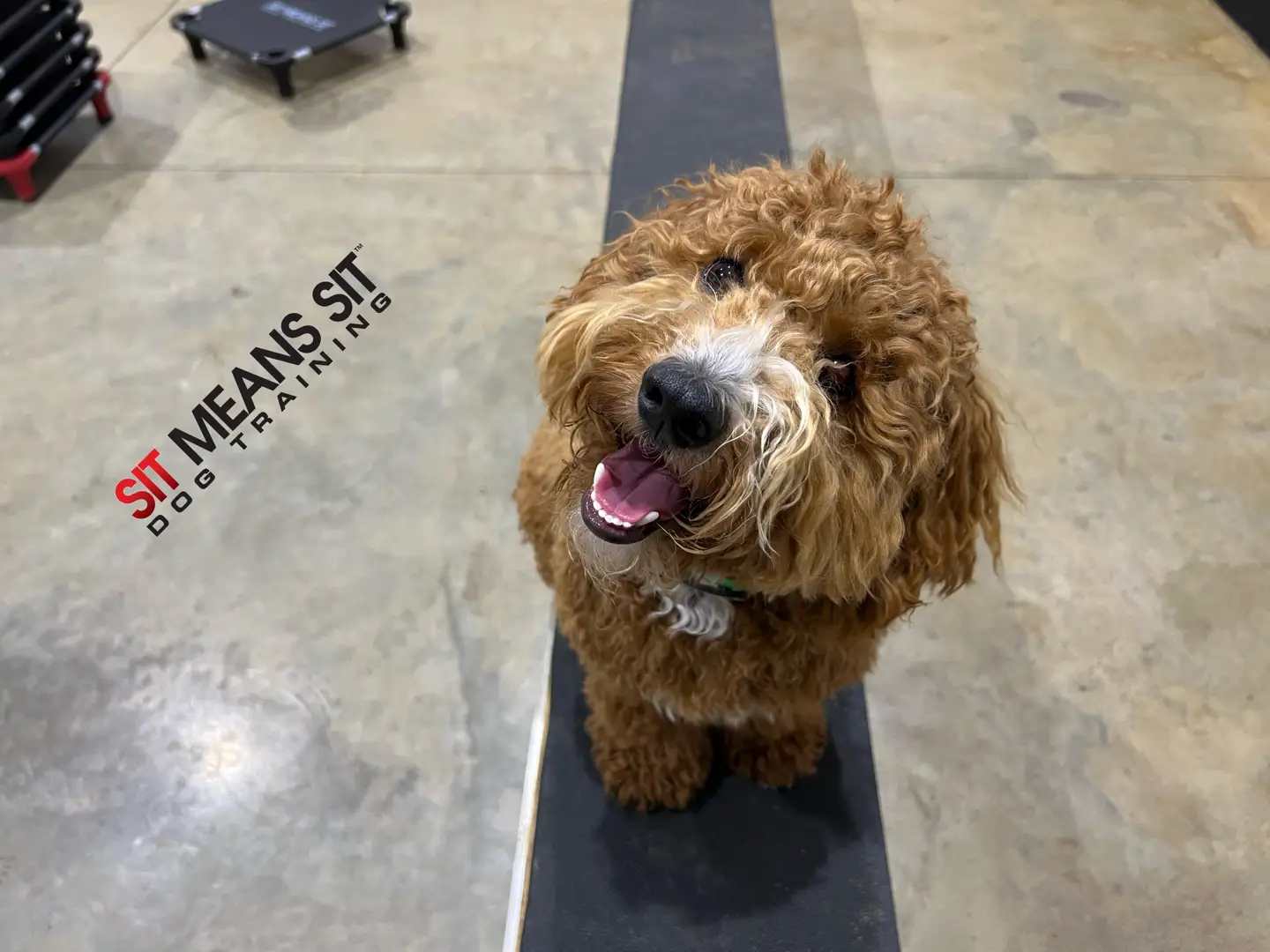
The primary goal of these sessions is distraction training. Whether it’s the sound of a car door slamming, a child running nearby, or another dog barking, these are the “pressures” of daily life. By exposing your dog to these elements in a controlled, professional environment, we ensure they remain responsive to you no matter what is happening around them.
For those looking to build a rock-solid foundation before entering the group environment, exploring our training programs is the best first step.
Socialization through Neutrality in group classes for dogs
There is a common misconception that socialization means your dog should greet every person and dog they see. We believe true socialization is about neutrality. We want your dog to be confident and indifferent to their surroundings, not over-excited or anxious.
Our group classes for dogs in Rutherford County are designed to build this confidence. By being in the presence of other dogs without the pressure to interact, your dog learns to remain in a neutral state. This is especially vital for puppies. While the American Veterinary Society of Animal Behavior notes that the critical socialization window narrows at 16 weeks, the lessons of neutrality remain valuable for life. We help owners in Smyrna and La Vergne navigate these environments so their dogs can handle breweries, parks, and busy streets with ease. You can find more tips on maintaining this mindset on our blog.
Building Handler Confidence in group classes for dogs
Training is just as much about the human as it is about the dog. In fact, we often say we are training the people who love the dogs. Group classes for dogs force handlers to step into a role of proactive leadership.
When you are in a room or park with ten other dogs, you must communicate clearly. We teach you how to use your body language and remote touch tools to provide consistent guidance. This builds a level of confidence that translates directly to how you handle your dog at home. If you are unsure of your dog, your dog will be unsure of you. Through group practice, you learn to anticipate distractions before your dog reacts to them. To see this handler-led guidance in action, browse our videos.
Transitioning from Private Lessons to Group Distraction Training
We don’t just throw dogs into a group setting and hope for the best. Most of our clients begin with intensive private programs to establish a “vocabulary” of communication. Once the dog understands the basics of remote touch and leash pressure, they are ready to “proof” those behaviors in a group.
Our programs are designed for rapid results. Proactive clients often see major changes within the first week of training. We offer two primary paths to get you ready for the group environment:
| Program | Speed | Focus |
|---|---|---|
| Day Train | Very Fast | High-intensity daily sessions; dog returns home each evening. |
| Board and Train | Fast | 5-day immersive program for habit reshaping and foundational obedience. |
During these programs, we introduce the e-collar as a “remote touch” tool. Think of it like a tap on the shoulder from a distance—it is a subtle communication tool, not a punishment. This allows for clear communication even when the dog is distracted. Once this foundation is set, the transition to group sessions becomes the final step in achieving real-world reliability. Our trainers have extensive backgrounds in high-stakes environments like military and Search and Rescue K9 handling, ensuring that the transition is handled with professional precision.
What to Expect in Murfreesboro Dog Training Group Sessions
When you join a Murfreesboro dog training group session, expect a professional and structured atmosphere. We aren’t here for a “play date”; we are here to work. Our trainers bring a wealth of experience from military and Search and Rescue backgrounds, which means we value results, clarity, and safety above all else.
Sessions typically last about 45 to 60 minutes and are held at various locations throughout Murfreesboro and Rutherford County. We usually have anywhere from five to twenty dogs in a session, with the number of trainers scaling to ensure everyone receives the guidance they need. We focus on:
- Refining Commands: Perfecting the sit, down, and place commands amidst heavy foot traffic.
- Leash Manners: Ensuring your dog walks calmly by your side without pulling, even when passing other dogs.
- Recall: Building a “come when called” that works the first time, every time.
- Calm-on-Cue: Teaching your dog to switch off and relax even in a busy public space.
Our approach is about creating a “thinking” dog that looks to the owner for direction. We want to move away from unfocused habits and toward a partnership built on mutual respect and clear communication. Learn more about us and our commitment to the Rutherford County community.
Requirements and Preparation for Group Training Success
To ensure the safety and success of all participants, we have specific requirements for dogs entering our group programs. Preparation is key to getting the most out of your investment.
- Age and Health: We recommend starting collar training at 4 months. Before joining active drills, a vet health check is essential. Dogs must be up-to-date on core vaccinations (Distemper/Parvo and Rabies).
- Equipment: We strictly use flat collars, 6-foot leashes, and e-collars for remote communication. We do not allow harnesses, no-pull tools, or retractable leashes, as these often interfere with clear communication and can actually encourage pulling.
- Pre-requisites: Most dogs must complete a foundational program (like our Day Train or Board and Train) before joining group classes for dogs. This ensures that every dog in the group has a baseline level of control, making the environment safer and more productive for everyone.
- Owner Mindset: Come prepared to work! Bring a positive attitude and be ready to lead your dog.
We find that when owners follow these guidelines, the rate of success skyrockets. You can read about the transformations other local owners have experienced in our reviews.
Advanced Reliability and Off-Leash Mastery
The ultimate goal for many of our clients in Murfreesboro, Smyrna, and La Vergne is off-leash reliability. Imagine being able to take your dog to a local park or a hiking trail and knowing they will stay by your side and return immediately when called, regardless of squirrels, other dogs, or hikers.
This level of mastery typically begins around the 5-to-6-month mark for dogs that have been through our structured programs. Advanced group classes for dogs focus on “public access” skills. We take the training out of the facility and into the real world—visiting local stores, parks, and high-traffic areas.
Using remote touch as a communication tool allows us to proof behaviors at a distance. If your dog begins to wander or loses focus, a subtle tap via the e-collar reminds them to check back in with you. This isn’t about control through fear; it’s about providing a safety net that allows your dog more freedom while giving you total peace of mind. For more details on reaching this milestone, check our training programs page.
Frequently Asked Questions about Group Dog Training
Are group classes suitable for dogs that struggle with focus?
While group classes for dogs are excellent for building neutrality, they are not always the starting point for dogs that are highly over-stimulated. If your dog struggles to maintain focus or shows signs of being easily overwhelmed, we typically recommend a private Board and Train program first. This allows us to reshape those habits in a one-on-one setting before introducing the added pressure of a group environment. Once the dog is stable and responsive to remote touch, they can often graduate into group sessions.
What should I bring to a group training session?
You should arrive with your dog on a flat collar and a standard 6-foot leash. Ensure your e-collar is fully charged and fitted correctly. We recommend not feeding your dog a large meal immediately before class to ensure they are alert and comfortable during active drills. Most importantly, bring a focused mindset—your dog will mirror your energy!
How quickly will I see results in my dog’s behavior?
Because our method focuses on proactive, handler-led guidance and clear communication, results happen fast. Most clients see a significant shift in their dog’s focus and household manners within the first week of starting a formal program. Group classes then serve to solidify those results in the face of increasingly difficult real-world distractions.
Conclusion
Enrolling in group classes for dogs is one of the best investments you can make for your relationship with your pet. It moves your training beyond the “honeymoon phase” of the living room and prepares both you and your dog for the realities of life in Rutherford County. Whether you are in Murfreesboro, Christiana, Rockvale, or Mount Juliet, our goal is to give you a dog that is a joy to take anywhere.
Our service areas include:
- Murfreesboro & Blackman
- Smyrna & La Vergne
- Williamson County (Brentwood, Franklin)
- Wilson County (Mount Juliet, Lebanon)
- Surrounding communities: Walterhill, Lascassas, Eagleville, and more.
If you are ready to stop managing your dog’s bad habits and start reshaping them into reliable behaviors, we are here to help. Professional guidance, military-grade precision, and a commitment to your dog’s success are just a phone call away. Contact us today to schedule an evaluation and take the first step toward a more confident life with your dog.