
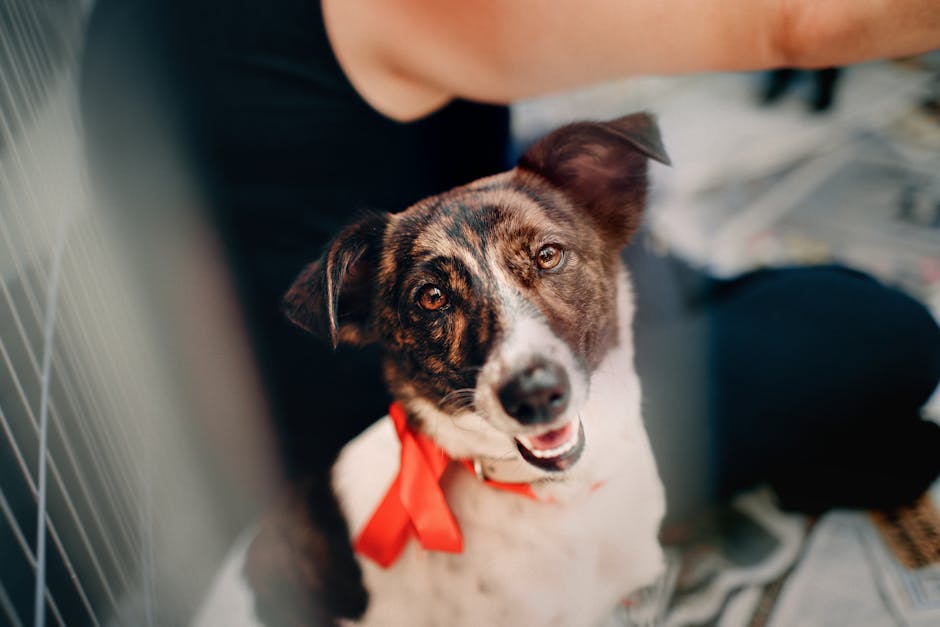
A lot of people begin dog training in Murfreesboro TN with a simple goal: they want their dog to behave better in everyday life. Not just in the house, not just during a training session, but out in the world where things are less predictable. Walking through the neighborhood, passing another dog, sitting at an outdoor restaurant, or simply moving through a busy environment without tension—those are the moments that matter.
The challenge is that many training approaches are built in a way that doesn’t fully prepare dogs for those situations.
At home, everything is controlled. The environment is familiar. The level of distraction is low. It’s easier for the dog to focus, easier for the handler to guide, and easier for behavior to feel consistent. Because of that, training often starts there, which makes sense. But if it stays there too long, the dog begins to associate behavior with that specific environment.
When the setting changes, the behavior often changes with it.
This is where the gap shows up. The dog that listens inside may pull outside. The dog that holds position in the living room may struggle when someone walks by. It can feel like starting over, even though the dog has already “learned” the behavior.
The reality is that the dog hasn’t learned it in a way that applies everywhere.
Dogs don’t automatically generalize behavior across different environments. They don’t assume that something they’ve done in one place applies to another. Each new setting feels like a different experience, and without guidance, they respond based on what that environment presents.
Training for real-world situations means bridging that gap intentionally.
It starts with recognizing that the environment is part of the training, not something separate from it. Instead of waiting until behavior is perfect at home before going outside, the process begins to include new environments earlier, but in a controlled way. The goal isn’t to overwhelm the dog. It’s to introduce change gradually while maintaining the same level of clarity.
That clarity is what carries behavior from one place to another.
When a dog understands how to follow movement, how to hold position, and how to stay connected to the handler, those patterns don’t depend on the setting. They become part of how the dog responds, regardless of where they are.
This is why guidance becomes more important than commands in real-world training.
In a quiet space, a command might be enough to get a response. In a busy environment, the dog’s attention is pulled in multiple directions at once. The command doesn’t disappear, but it often loses influence. Movement and positioning, on the other hand, remain clear. They give the dog something immediate to follow, something that doesn’t require interpretation.
Over time, that interaction becomes familiar. The dog begins to recognize the pattern, even when the environment changes.
One of the most effective ways to build this kind of consistency is through controlled exposure to distractions. Instead of jumping straight into unpredictable environments, the dog is introduced to settings where distractions are present but structured. This allows the handler to guide the dog through the experience without losing clarity.
Group training environments are a good example of this. They create a space where other dogs, movement, and activity are present, but still manageable. The dog learns how to maintain behavior while those elements are introduced gradually. As that ability improves, the transition to less controlled environments becomes smoother.
This process also changes how the dog experiences the world.
Instead of reacting to everything around them, the dog begins to orient back to the handler. The environment is still there, but it no longer drives behavior in the same way. The dog has something more stable to rely on.
That shift is often what people are actually looking for when they say they want a well-trained dog. It’s not just about performing commands. It’s about moving through real-life situations with a sense of calm and predictability.
For dogs that struggle with distractions or reactivity, this process can take more time, but the principle remains the same. The goal isn’t to avoid those situations entirely. It’s to guide the dog through them in a way that reshapes how they respond. Over time, what once felt overwhelming becomes something the dog can handle with more stability.
If you look at common behavior challenges, many of them are tied to how a dog responds to their environment. Pulling, barking, or losing focus are often reactions to external stimuli rather than isolated issues. When those reactions are reshaped through consistent guidance, behavior begins to stabilize.
For younger dogs, especially those going through puppy training in Murfreesboro TN, introducing real-world elements early can make a noticeable difference. Puppies that are guided through different environments from the beginning tend to adapt more easily as they grow. They don’t rely on familiarity in the same way because they’ve already learned how to stay connected across different settings.
For older dogs, the process may feel more gradual, but it follows the same structure. Start in a controlled environment, build clarity, and then expand outward. Each new setting reinforces the idea that the expectation remains the same, even as the surroundings change.
Over time, the distinction between “training” and “real life” begins to fade.
The dog doesn’t need a specific setup to respond well. They carry the behavior with them. Walks feel more relaxed. Public spaces feel more manageable. Everyday interactions become smoother because the dog understands what to do without needing constant input.
For anyone working through dog training in Murfreesboro TN, this is often where things start to feel more complete. Training stops being something that happens in certain moments and becomes something that shows up consistently, wherever you are.
And when that happens, the results tend to feel less like effort and more like a natural part of the relationship.