
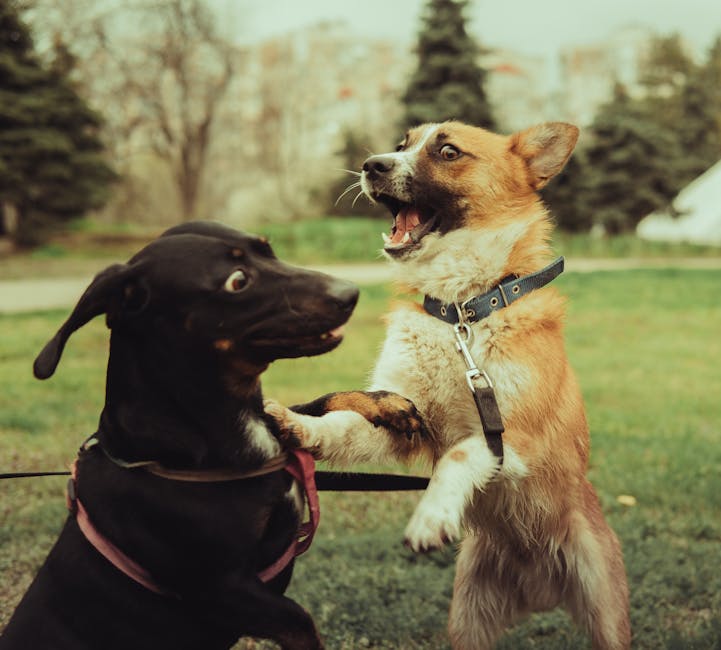
Beyond the Bark: Can Your Dog’s Aggression Be Managed?
Dog Aggression in Murfreesboro: What Owners Need to Know First
Can aggression be trained out of a dog? Yes — for most dogs, aggressive behavior can be significantly reduced or replaced with calmer, more reliable responses through consistent, handler-led training. It may not be “erased” entirely, but with the right approach, most dogs can learn to stay calm around the triggers that once set them off.
Quick answer:
| Question | Short Answer |
|---|---|
| Can aggression be fully eliminated? | Rarely — but it can be greatly reduced and managed |
| Can dogs of any age improve? | Yes — though earlier is easier |
| What causes aggression? | Fear, pain, poor socialization, genetics, territorial instincts |
| What works best? | Consistent, proactive, handler-led training |
| When to get help? | As soon as aggressive behavior appears |
Owning a dog that displays reactive behaviors is stressful. It changes how you move through the world — where you walk, who you invite over, whether you feel confident in public at all. You’re not alone, and the situation is rarely hopeless.
Aggression isn’t a personality flaw. It’s a behavior — one that develops when a dog feels threatened, confused about boundaries, or unsure how to respond to certain situations. That distinction matters, because behaviors can be changed.
I’m Teddy Walls, owner of Murfreesboro Dog Training, and I’ve worked with dogs across the full spectrum — from basic household pets to high-level obedience and protection dogs — giving me a practical, real-world perspective on can aggression be trained out of a dog and what it actually takes to get there. In the sections below, I’ll walk you through the root causes, what realistic progress looks like, and how a structured, proactive training approach can help you get your dog — and your confidence — back.
Understanding the Root Causes of Canine Aggression
To address the question of whether can aggression be trained out of a dog, we first have to understand why the behavior is happening. Aggression is rarely a random act; it is a communication tool. When a dog reacts to triggers, they are usually trying to create distance between themselves and something they perceive as a threat.
Fear and Anxiety
The vast majority of aggressive displays are rooted in fear. A dog who wasn’t properly socialized or who had a traumatic past experience may view a stranger or another dog as a danger. In their mind, “the best defense is a good offense.” If they can discourage the “threat” through reactive displays, they feel safer.
Resource Guarding and Territorial Instincts
Some dogs display aggression to protect what they value—whether that’s their food, a specific spot on the couch, or their home. This is often linked to a lack of clear leadership. If a dog feels they are the one responsible for guarding the “den” or the resources, they will use aggression to enforce those boundaries.
Genetics and Breed Predispositions
While any dog can become aggressive, genetics do play a role. Some breeds have higher guarding instincts or lower thresholds for arousal. However, genetics are not destiny. Even a dog with a strong genetic “drive” can be taught to channel that energy into following the handler’s lead rather than reacting to the environment.
The Importance of a Veterinary Health Check
Before we begin any intensive training drills in Murfreesboro or Smyrna, we always emphasize the importance of a veterinary health check. Sudden irritability or a low tolerance for being touched can often be traced back to physical pain, such as hip dysplasia, dental issues, or ear infections. Hormonal imbalances or neurological conditions can also contribute to volatile behavior. If a dog is in pain, no amount of training will be effective until the underlying medical issue is addressed.
Can Aggression Be Trained Out of a Dog or Just Managed?
One of the biggest debates in the dog world is whether can aggression be trained out of a dog or if you are simply managing it for the rest of the dog’s life. At Murfreesboro Dog Training, we believe the answer lies in habit reshaping and proactive leadership.
Management is part of the process—using tools like flat collars, sturdy leashes, and muzzles to prevent an incident—but management alone doesn’t change the dog’s mind. To truly see a transformation, we focus on handler-led guidance. This means the owner becomes the primary source of information for the dog. When the dog encounters a trigger, they should look to the handler for direction rather than reacting on their own.
Our professional training programs in Murfreesboro are designed to move beyond just “managing” the dog. We work on real-world reliability. This involves taking the dog into public spaces in Rutherford County and teaching them that their old reactive habits are no longer the most effective way to navigate the world.
Can aggression be trained out of a dog through habit reshaping?
When a dog practices aggression, they are strengthening a neural pathway in their brain. The more they react, the more “normal” that reaction becomes. Habit modification involves letting those old pathways fade while building new ones.
By providing clear communication and consistent boundaries, we help the dog develop impulse control. When you meet our expert trainers, you’ll see that we don’t focus on suppressing the dog; we focus on reshaping their habits so they choose a neutral or calm response instead of an aggressive one.
Why can aggression be trained out of a dog using proactive guidance?
Many owners unintentionally feed into their dog’s aggression by being tense or reactive themselves. If you tighten the leash the moment you see another dog, you are signaling to your pet that there is something to worry about.
Proactive guidance flips the script. The handler learns to move with confidence, using body language and movement to guide the dog. This emotional regulation from the handler helps the dog stay calm. We’ve seen countless client success stories and reviews where owners in Smyrna and La Vergne regained control of their walks simply by changing how they communicated with their dogs.
The Role of Remote Touch and Body Language in Communication
At Murfreesboro Dog Training, we utilize a modern approach built on movement and “remote touch.” We use e-collars not as a tool for punishment, but as a subtle communication device—much like a tap on the shoulder from a distance. This allows us to “proof” behaviors even when the dog is far away or distracted.
Our unique training philosophy relies heavily on the handler’s body language. Dogs are masters at reading movement. By positioning our bodies correctly and using the e-collar for “remote touch,” we can provide clear, silent cues that the dog understands instantly.
- Age Requirements: We start collar training as early as 4 months to build a foundation of communication.
- Off-Leash Reliability: For most dogs, advanced obedience and total off-leash reliability begin around 5-6 months of age.
- Expert Backgrounds: Our trainers bring experience from military K9 handling and Search and Rescue, where clear communication is a matter of safety and success.
We stick to the essentials: flat collars, leashes, and e-collars. We do not use harnesses or other “no-pull” tools that can actually interfere with the dog’s ability to feel the handler’s movement.
Rapid Results: Day Train and Board and Train Solutions
We understand that living with a reactive dog is exhausting, which is why we offer programs designed for rapid results.
| Program | Speed | Best For |
|---|---|---|
| Day Train | Very Fast | Owners who want daily progress while keeping their dog at home |
| 5-Day Board and Train | Fast | Intensive habit reshaping and resetting the dog’s mindset |
Most of our proactive clients see major changes within Week 1. Whether you are in La Vergne or deeper in Rutherford County, these programs provide the intensive, distraction-proof drills necessary to reshape a dog’s response to triggers. You can watch our training results in action to see how quickly a reactive dog can transition to a focused, calm companion.
Frequently Asked Questions About Dog Aggression
Is it ever too late to start training a reactive dog?
It is never too late. While it is certainly easier to shape a 6-month-old puppy than it is to reshape a 6-year-old adult, senior dogs are capable of making adjustments. The key is consistent guidance. If you provide a senior dog with a clear framework of what is expected, they can unlearn old defensive habits. If you’re unsure where to start, you can contact us for an assessment to determine the best path forward for your older dog.
What safety measures should be used during aggression training?
Safety is our top priority. During the initial phases of training, we use:
- Flat Collars and Sturdy Leashes: For direct, physical control.
- Basket Muzzles: These allow the dog to pant and breathe comfortably while ensuring safety during high-stress drills.
- Remote Touch Communication: This allows us to give the dog direction before they reach their “boiling point” or threshold. For more in-depth safety advice, explore our blog for more tips.
How does handler-led guidance improve public behavior?
In places like Murfreesboro TN or Smyrna, public distractions are everywhere—joggers, other dogs, loud cars. A dog becomes reactive when they feel they have to handle these distractions themselves. Handler-led guidance teaches the dog that you are in charge of the environment. When the dog trusts your leadership, they can relax. This creates real-world reliability, meaning your dog isn’t just “good” in the living room; they are reliable at the park, the outdoor mall, or on a busy sidewalk.
Conclusion
At Murfreesboro Dog Training, we believe that every dog in the Rutherford County community deserves a chance to live a calm, balanced life. The question of can aggression be trained out of a dog isn’t just about addressing reactive behaviors—it’s about opening up a whole new world for you and your pet.
By focusing on proactive communication, movement, and the subtle use of remote touch, we empower owners with lifelong skills. You don’t have to live in fear of your dog’s next reaction. With the right structure and professional guidance, you can transform your dog’s behavior today and enjoy the confidence that comes with a truly reliable companion.